
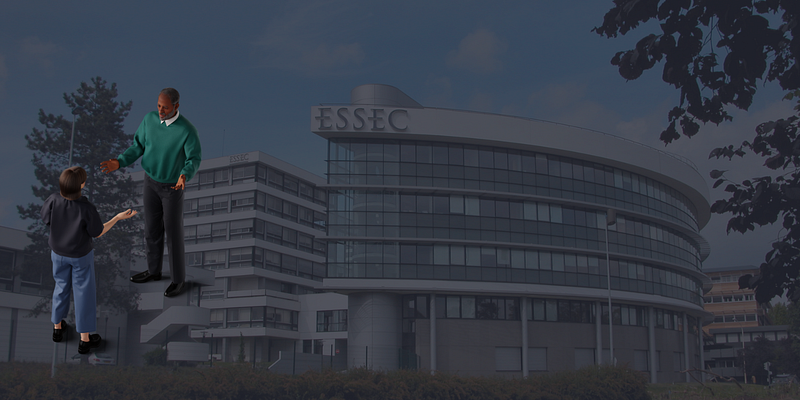
Drawn to the opportunity of gaining hands-on experience through apprenticeships, a practice that many French business schools incorporate into their programs, Satvik Puti decided to pursue higher education in France. As he navigates the final year of his Master in Management at ESSEC Business School while working as a Global Insights Manager for Sanofi’s Digestive Wellness Brands, Satvik reflects on the challenges and rewards of balancing work and study in a foreign country.
Satvik shares his journey, the importance of adaptability, and the role French language proficiency plays in both professional and social settings.
Can you tell us about your decision to pursue a Master in Management in France?
I wanted a management course tailored for people with little to no work experience, and France has some of the best business schools offering exactly that. Moreover, French government policies have become more favorable in recent years, making it an attractive destination for studies and work.
Were there any challenges during the application process?
It was definitely challenging. The Indian education system tends to focus more on grades than on personal stories and motivations. Going through a process of introspection and building a story worth telling was nerve-wracking. On top of that, preparing for GRE/GMAT while working full-time made it feel like I was spreading myself too thin.
Can you tell us more about your current role as a Global Insights Manager?
I’m currently doing a 1-year apprenticeship with Opella (Sanofi CHC) as a Global Insights Manager for Digestive Wellness Brands. I split my time between work and school — three days at the office and two days at ESSEC. I work as part of the Consumer Experience Insights Team, helping the brand team understand consumer pain points and improve products. While speaking French isn’t required for the role, it allows me to attend meetings with French teams, which non-French speakers can’t always do.
Do you have some advice for Indian students considering studying in France?
If you’re willing to learn French or put in the effort to speak it, France has a lot to offer, with significant benefits for those who immerse themselves in the language and culture. French administration can be frustrating, but patience is key, and things will eventually fall into place.
It’s important to have a goal and a plan, but don’t hesitate to pivot when needed — having a flexible direction is better than none at all. Be proactive by inviting yourself to events and showing initiative, rather than waiting for invitations.
Any final thoughts on adjusting to life in France?
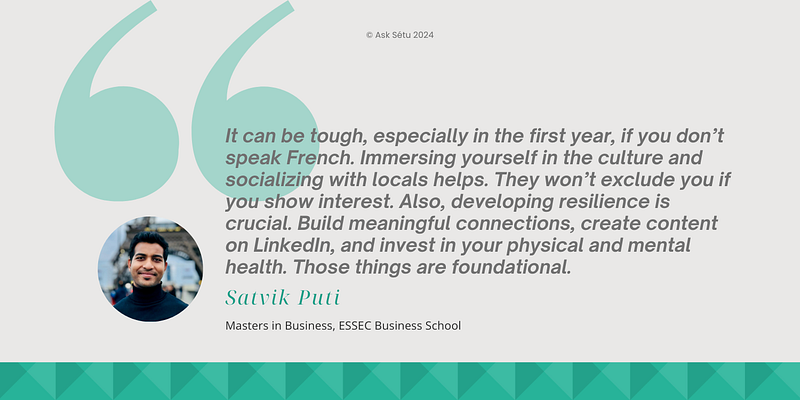
It can be tough, especially in the first year, if you don’t speak French. Immersing yourself in the culture and socialising with locals helps. They won’t exclude you if you show interest. Also, developing resilience is crucial. Finding the first internship is the hardest — after that, it gets easier. Build meaningful connections, create content on LinkedIn, and invest in your physical and mental health. Those things are foundational.
Satvik’s journey underscores the importance of adaptability and resilience for international students navigating both academic and professional landscapes in France. Once again, we see that language proficiency plays a key role in success, and it can be challenging without any knowledge of French.
Institutions and companies could play a more supportive role in easing these transitions, offering mentorship and resources to help international talent fully integrate into the French workforce and culture. Ask Sétu aims to make it easier for you to pursue your dreams in France. Contact us for early access to the platform: https://www.asksetu.com/

 Ask Sétu Blog
Leave a comment