

A new year in France feels different when you’re no longer just a student.
If you’re an Indian student graduating or actively applying for jobs in France, 2026 is not just about fresh beginnings—it’s about transitions. From classrooms to corporate corridors, from student visas to work permits, and from structured academics to ambiguous job markets, this phase can feel overwhelming.
This New Year bucket list is not aspirational fluff. It’s a practical, grounded checklist designed to help you move forward with clarity, confidence, and control.
1. Crack the French CV Code
The French CV is a unique beast. Forget the lengthy, multi-page resumes common in some countries. In France, brevity and precision reign supreme. Your CV should ideally be one page, two at most if you have extensive experience.
- Structure is Key: The standard structure includes:
- État Civil (Personal Information): Name, contact details, and sometimes a professional photo.
- Expérience Professionnelle (Work Experience): Listed in reverse chronological order, with clear descriptions of your responsibilities and achievements. Use action verbs and quantify your accomplishments whenever possible.
- Formation (Education): Also in reverse chronological order, including degrees, diplomas, and relevant coursework.
- Compétences (Skills): List both hard and soft skills, including language proficiency.
- Centres d’Intérêt (Interests): Optional, but can help showcase your personality and cultural fit.
- Keywords Matter: Tailor your CV to each job application, using keywords from the job description. Applicant Tracking Systems (ATS) are widely used in France, so optimizing for keywords is crucial.
- One Strong CV: Resist the urge to create multiple generic CVs. Instead, focus on crafting one compelling CV that highlights your key skills and experience. Then, adapt it slightly for each specific role.
- Proofread, Proofread, Proofread: Errors in grammar or spelling are a major turn-off. Have a native French speaker review your CV before submitting it.
Actionable Steps:
- Refine your CV based on feedback from French professionals. One of the most common mistakes international students make is applying to French roles with non-French CVs. In France, recruiters expect concise, structured CVs, typically one page, sometimes two, with clear sections, logical chronology, and relevance to the role.
- Research French CV templates and examples online.
- Identify keywords relevant to your target roles.
2. Build One Meaningful Professional Connection Every Month
Networking is paramount in France. It’s often said that “who you know” is just as important as “what you know.” Building a strong professional network takes time and effort, but it’s well worth the investment.
- Leverage Alumni Networks: Connect with alumni from your university or school who are working in your field. They can provide valuable insights and introductions.
- Engage with Classmates: Stay in touch with classmates, especially those who are working in France. They can be a valuable source of information and support.
- Utilize LinkedIn: LinkedIn is a powerful tool for networking in France. Join relevant groups, connect with professionals in your field, and participate in discussions.
- Attend Industry Events: Attend conferences, workshops, and networking events to meet new people and learn about industry trends.
- Connect with Recruiters: Identify recruiters who specialize in your field and reach out to them. They can provide valuable advice and connect you with potential employers.
- Meaningful Connections: Focus on building genuine relationships, not just collecting contacts. Take the time to get to know people and offer your help whenever possible.
Actionable Steps:
- Attend at least one industry event per quarter.
- Set a monthly goal for building one meaningful professional connection.
- Identify relevant alumni, classmates, and LinkedIn contacts.
3. Apply in French (At Least Once a Week)
Even if a job description is in English, submitting your application in French demonstrates your commitment to integrating into the French culture and your willingness to go the extra mile.
- Show Effort: Even if your French isn’t perfect, making an effort to communicate in French will be appreciated.
- Tailor Your Application: Translate your CV and cover letter into French, adapting them to the specific requirements of the job.
- Seek Feedback: Ask a native French speaker to review your application for grammar and style.
- Practice Makes Perfect: The more you practice writing in French, the better you will become.
Actionable Steps:
- Submit at least one application in French per week.
- Identify job postings that are relevant to your skills and experience.
- Translate your CV and cover letter into French.
4. Understand Work Authorisations Thoroughly
Navigating the French work authorisation system can be complex. Understanding the different types of visas and permits is crucial for a smooth transition, so make it a New Year priority to fully understand your legal options. Knowing what you are eligible for helps you apply strategically and speak confidently during interviews.
- APS (Autorisation Provisoire de Séjour): A temporary residence permit for recent graduates.
- Titre de Séjour: A long-term residence permit for various purposes, including employment.
- CDI (Contrat à Durée Indéterminée): An open-ended employment contract.
- CDD (Contrat à Durée Déterminée): A fixed-term employment contract.
- Research Requirements: Thoroughly research the requirements for each type of visa or permit.
- Seek Advice: Consult with an immigration lawyer or advisor to ensure you are following the correct procedures.
- Start Early: Begin the application process well in advance of your desired start date.
Actionable Steps:
- Gather the necessary documents and begin the application process.APS, titre de séjour salarié, CDI vs CDD, minimum salary thresholds—confusion around work authorisation is one of the biggest sources of anxiety for students.
- Research the different types of work authorizations available in France.
- Determine which type of authorization is most appropriate for your situation.
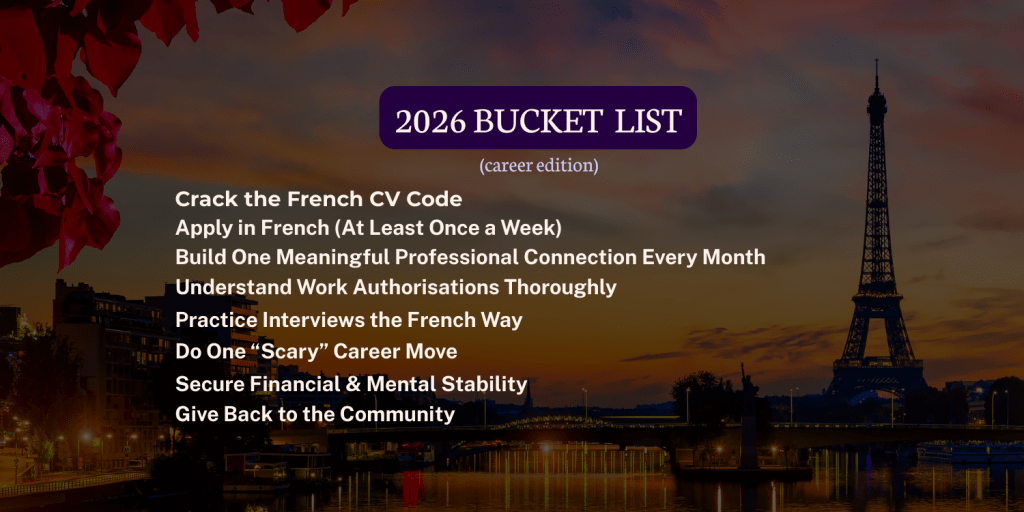
5. Practice Interviews the French Way
French interviews often emphasize structured answers, clear motivation, and cultural nuance.
- Structured Answers: Prepare structured answers to common interview questions, such as “Tell me about yourself” and “Why are you interested in this role?”
- Motivation Claire: Clearly articulate your motivation for wanting to work for the company and in the specific role.
- Cultural Nuance: Be aware of French cultural norms and etiquette. For example, it’s important to be punctual and to dress professionally.
- Practice, Practice, Practice: Practice your interview skills with a friend, mentor, or career coach.
Actionable Steps:
- Practice your interview skills with a native French speaker.
- Research common French interview questions.
- Prepare structured answers to these questions.
6. Do One “Scary” Career Move
Stepping outside your comfort zone is essential for career growth.
- Cold Email a Recruiter: Reach out to a recruiter who specializes in your field, even if you don’t have a specific job in mind.
- Attend a Networking Event Alone: Attend a networking event without knowing anyone and challenge yourself to meet new people.
- Ask for Feedback After Rejection: Ask for feedback after being rejected for a job. This can help you identify areas for improvement.
Actionable Steps:
- Reflect on your experiences and learn from your mistakes.
- Identify one “scary” career move you can make each month.
- Take action and push yourself outside your comfort zone.
7. Secure Financial & Mental Stability
Job searching can be stressful. Prioritizing your financial and mental well-being is crucial.
- Budget Smartly: Create a budget and track your expenses to ensure you have enough money to cover your living costs.
- Explore Part-Time or Interim Options: Consider taking on a part-time or interim job to supplement your income and gain experience.
- Protect Your Mental Health: Take care of your mental health by exercising, eating healthy, and getting enough sleep.
- Seek Support: Don’t be afraid to seek support from friends, family, or a therapist.
Actionable Steps:
- Prioritise your mental health and seek support when needed.
- Create a budget and track your expenses.
- Explore part-time or interim job opportunities.
8. Give Back to the Community
Helping others is a rewarding way to build your network and make a positive impact.
- Help a Junior Student: Offer advice and guidance to a junior student who is interested in your field.
- Share Your Learnings: Share your learnings and experiences with others through blog posts, social media, or presentations.
- Mentor Someone: Mentor someone who was once in your shoes and help them achieve their career goals.
Actionable Steps:
- Share your learnings and experiences with others.
- Identify opportunities to give back to the community.
- Volunteer your time and expertise to help others.
Your degree brought you to France. What takes you forward will be your strategy, resilience, and informed decision-making.

 Ask Sétu Blog
Leave a comment